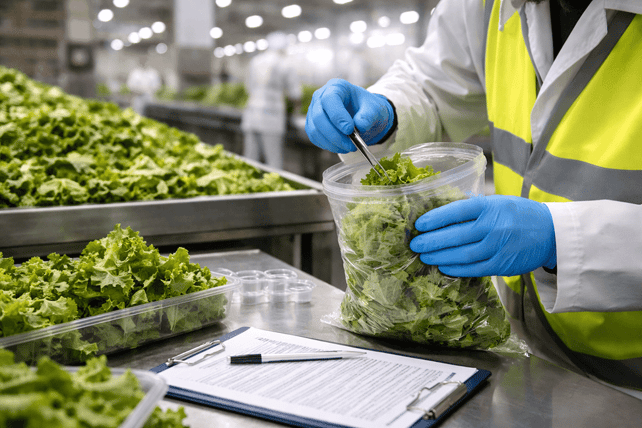
Unveiling Cross Contamination: Definition, Impact, and Prevention
Delve into the concept of cross contamination - what it is, its implications for food safety, and strategies for prevention.
 SGS FoodNexus Editorial Team
Published
Updated
2 min read

Cross contamination is a critical concept in food safety, with far-reaching implications for public health. This article delves into the definition of cross contamination, its potential impact on consumers, and practical steps that food safety professionals can take to prevent its occurrence.
Understanding Cross Contamination: A Closer Look:
Cross contamination occurs when harmful microorganisms or allergens are unintentionally transferred from one surface or food to another. This transfer can happen through various means, including direct contact, shared equipment, or improper handling.
The Impact of Cross Contamination on Food Safety:
Cross contamination can result in the spread of foodborne pathogens, allergens, and contaminants. Consuming contaminated food can lead to serious illnesses, making it imperative for food safety professionals to adopt stringent measures to prevent its occurrence.
Prevention Strategies for Cross Contamination:
- Separation: Keep raw and cooked foods separate to prevent cross contact.
- Color-Coded Tools: Assign specific utensils and cutting boards for different food types.
- Hand Hygiene: Thoroughly wash hands after handling raw foods to prevent spreading contaminants.
- Cleaning and Sanitizing: Regularly clean and sanitize surfaces, utensils, and equipment to eliminate pathogens.
- Proper Storage: Store raw meats and seafood at the bottom of the refrigerator to prevent drips onto other foods.
The Role of SGS FoodNexus in Cross Contamination Risk Management:
In today's complex food industry, solutions like SGS FoodNexus provide real-time insights, analytics, and compliance tracking capabilities. These tools empower food safety professionals to stay vigilant, identify potential cross contamination risks, and proactively address them before they escalate.
Elevating Food Safety with Vigilance:
Food safety professionals play a pivotal role in upholding the integrity of the food supply. By understanding the intricacies of cross contamination and implementing effective preventive measures, they contribute to a safer and healthier food landscape.
Conclusion: Safeguarding Food Safety Through Cross Contamination Prevention
As a food safety professional, your commitment to public health is paramount. The concept of cross contamination underscores the importance of vigilance, hygiene, and meticulous attention to detail. By embracing preventive strategies and harnessing advanced tools like SGS FoodNexus, you contribute to a future where the risk of cross contamination is minimized, and the safety of the food supply remains uncompromised. Explore SGS FoodNexus platform now.