The First Step in an HACCP System: Analyzing Potential Hazards and Risks
Learn about the crucial first step in an HACCP system: analyzing potential hazards and risks.
 SGS FoodNexus Editorial Team
Published
Updated
3 min read

Implementing an effective Hazard Analysis and Critical Control Points (HACCP) system is paramount in ensuring food safety and preventing hazards in the food supply chain. The first step in this systematic approach involves a thorough analysis of potential hazards and risks. In this informative article, we will delve into the significance of this initial step, explore common hazards in the food industry, discuss regulatory oversight, delve into the process of food recalls, and highlight the potential consequences of failing to address these hazards.
Analyzing Potential Hazards and Risks in HACCP:
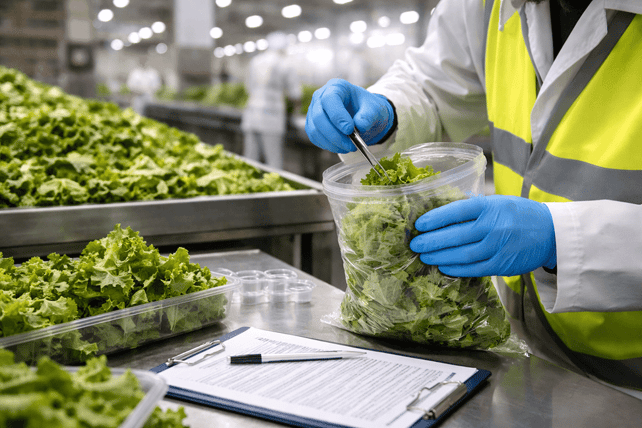
The initial step in an HACCP system entails identifying and assessing potential hazards that may occur at different stages of food production, processing, and handling. This proactive approach aims to identify and control these hazards before they compromise food safety. Hazards can be biological, chemical, or physical in nature, and their identification allows for the implementation of appropriate preventive measures and critical control points (CCPs) in subsequent HACCP steps.
Common Hazards in the Food Industry:
-
Biological Hazards: These include pathogens such as bacteria (e.g., Salmonella, Listeria), viruses (e.g., Norovirus), and parasites. Contamination can occur through improper handling, inadequate cooking, or cross-contamination.
-
Chemical Hazards: Chemical hazards encompass a wide range of substances, including allergens, pesticides, food additives, cleaning agents, and natural toxins. Improper use, accidental contamination, or inadequate labeling can contribute to chemical hazards.
-
Physical Hazards: Physical hazards refer to foreign objects that may inadvertently contaminate food, such as glass, metal fragments, plastic, or stones. These hazards can originate from various sources, including equipment malfunction, packaging defects, or improper handling.
Regulatory Oversight:
Food safety is a top priority for regulatory bodies worldwide. Various agencies and organizations set and enforce standards to ensure compliance with food safety regulations. For instance:
-
United States: The Food and Drug Administration (FDA) and the United States Department of Agriculture (USDA) play crucial roles in regulating food safety in different sectors of the industry.
-
European Union: The European Food Safety Authority (EFSA) provides scientific advice and supports the European Commission in setting regulations and guidelines.
-
Canada: Health Canada, through the Canadian Food Inspection Agency (CFIA), establishes and enforces regulations to safeguard food safety.
The Process of Food Recall:
Food recalls are initiated when potential hazards pose a significant risk to consumer health. The recall process typically involves the following steps:
-
Identification of the Hazard: Through monitoring systems, consumer complaints, or routine inspections, potential hazards are identified.
-
Assessment of Risk: The severity and extent of the risk are evaluated, considering factors such as the likelihood of harm and the population at risk.
-
Decision-Making and Communication: Regulatory authorities, in collaboration with food manufacturers and retailers, make informed decisions regarding the recall. Public communication channels are utilized to announce the recall, including press releases and online platforms.
-
Removal of Products: Affected products are swiftly removed from store shelves, supply chains, and consumers' homes.
Consequences of Neglecting Hazards:
Failing to address hazards and risks in an HACCP system can have severe consequences:
-
Consumer Health Impacts: Neglected hazards can lead to foodborne illnesses, allergies, or other adverse health effects, posing significant risks to consumer well-being.
-
Legal and Financial Ramifications: Non-compliance with food safety regulations may result in legal liabilities, financial losses, damage to brand reputation, and potential lawsuits.
-
Loss of Consumer Trust: Instances of negligence in hazard control can erode consumer trust, leading to decreased sales, customer loyalty, and long-term business viability.
Conclusion
By harnessing the power of SGS FoodNexus, food safety, regulatory, and QA professionals can enhance their HACCP systems and effectively analyze potential hazards and risks. SGS FoodNexus's comprehensive Early Warning Risk Monitoring solution utilizes advanced data analytics and predictive capabilities to constantly monitor millions of data sources, including media, NGOs, authorities, regulations, inspections, and customs controls. This invaluable tool enables you to stay ahead of emerging risks, swiftly adjust test plans, mitigate HACCP risks, and strengthen supplier verification programs. Explore SGS FoodNexus platform now.