How Can Food Handlers Reduce Bacteria to Safe Levels When Prepping Vegetables for Hot Holding

Discover effective methods for food handlers to reduce bacteria levels in vegetables for safe hot holding.

how can food handlers reduce bacteria to safe levels when prepping vegetables for hot holding

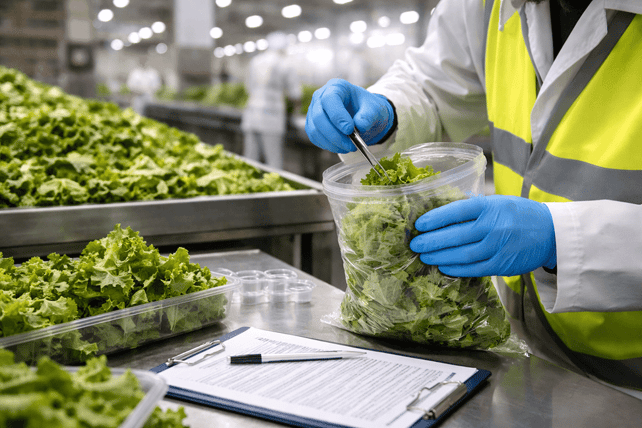
Maintaining food safety standards is paramount, especially when preparing vegetables for hot holding. This article provides insights into proven strategies that food handlers can adopt to minimize bacteria levels, ensuring that vegetables are safe for consumption even when hot held.

Hygiene Practices for Bacteria Reduction:

  1. Thorough Washing: Begin by washing vegetables under running water to remove surface dirt and contaminants.
  2. Sanitization: Use a food-safe sanitizer to disinfect vegetables, targeting harmful bacteria.
  3. Separate Cutting Boards: Use separate cutting boards for raw meat and vegetables to prevent cross-contamination.
  4. Cooking Temperature: Ensure vegetables are cooked to the appropriate temperature to kill harmful bacteria.
  5. Storage: Store prepped vegetables at safe temperatures to prevent bacterial growth.

Utilizing Temperature Control for Bacteria Reduction:

Hot Holding: After preparation, maintain prepped vegetables at a minimum temperature of 135°F (57°C) or above to prevent bacterial growth.

Cold Holding: If hot holding is not immediate, cool vegetables rapidly to below 41°F (5°C) before hot holding.

The Role of SGS FoodNexus in Enhancing Food Safety:

To elevate your food safety protocols, consider incorporating SGS FoodNexus. This innovative solution provides real-time insights, regulatory compliance tracking, and data analytics that empower food handlers to adhere to stringent safety measures.

Conclusion: Elevating Food Safety Through Innovation

The commitment to food safety is a shared responsibility, especially for food handlers tasked with vegetable preparation for hot holding. By implementing effective hygiene practices and utilizing temperature control, bacterial risks can be mitigated. Furthermore, embracing solutions like SGS FoodNexus strengthens your food safety efforts, ensuring that every step of the process aligns with regulatory standards and best practices. Explore SGS FoodNexus platform now.

Share LinkedIn X Email

Written by

Our SGS FoodNexus Editorial Team is committed to delivering expert insights on food safety, regulatory compliance, and risk management. With extensive industry experience and data-driven research, we create actionable content and thought leadership to keep businesses informed about evolving trends, regulatory updates, and innovative solutions. Our mission is to empower organizations with the knowledge they need to navigate global compliance challenges effectively.
Stay informed

New articles in your inbox

Food safety and regulatory updates from the FoodNexus team, sent as soon as they are published.
Contact us

Talk to our team

See how FoodNexus applies to your materials, suppliers and markets.

Ask for a demo

Already a client? Client login