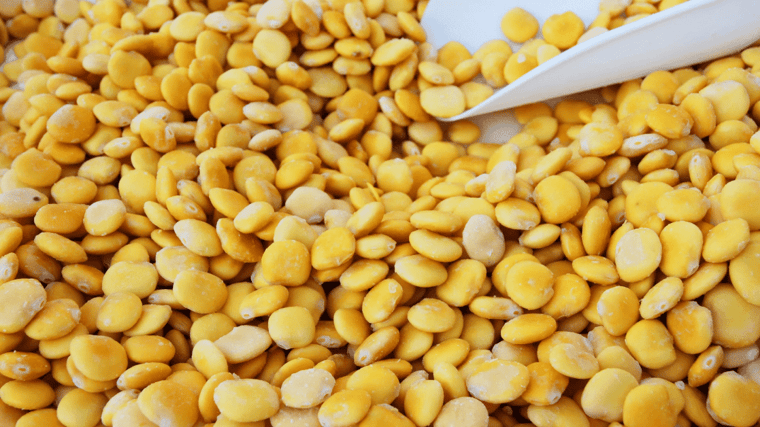
Early Warning: Alert on Quinolizidine Alkaloids in Lupine Seeds
A recent alert from the SGS FoodNexus Early Warning system has put the spotlight on a significant food safety issue involving quinolizidine alkaloids detected in lupine ...

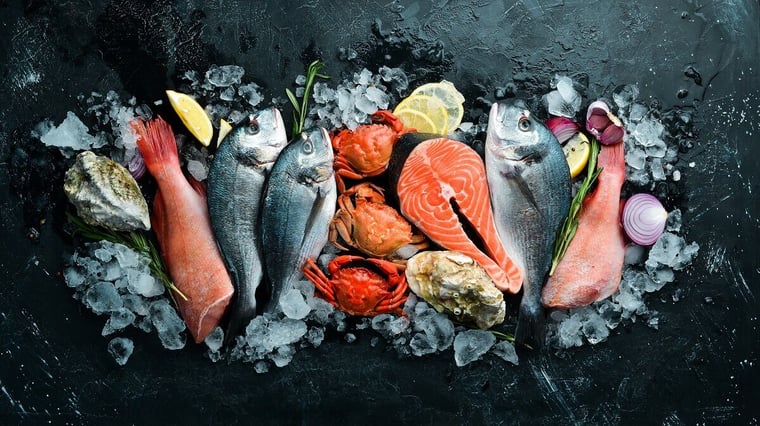
In a significant development for the food safety community, nitrofurans and nitrofurazone have been detected in seafood products, leading to regulatory actions. This ...
Mercury is a naturally occurring element that can be found in various forms in the environment. While it exists in trace amounts in the Earth's crust, human activities, ...
Enterobacteriaceae is a bacterial family encompassing a diverse group of organisms with both harmless and pathogenic members. Widely distributed in the environment, ...
In the intricate landscape of foodborne pathogens, Campylobacter jejuni stands out as a stealthy threat, often underestimated but with the potential for severe ...
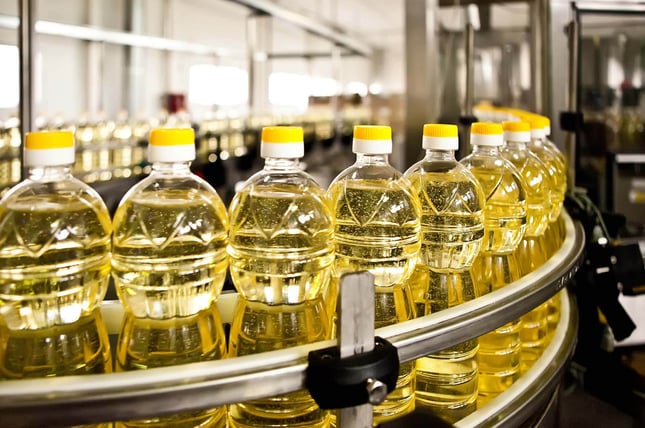
SGS FOODNEXUS Food Safety Intelligence Hub reveals a concerning trend in the food industry, particularly within the domain of oils. Incidents of Food Fraud have ...
Artificial sweeteners have become a pervasive part of modern diets, aiming to provide a low-calorie alternative to sugar. Sucralose, a commonly used artificial ...
Preservatives play a pivotal role in extending the shelf life of packaged foods, ensuring their safety and maintaining quality. However, concerns persist regarding the ...
Antibiotics have long been an integral part of livestock farming, playing a crucial role in treating and preventing diseases among animals. However, the rampant and ...
Ozone, when integrated into water for food processing, emerges as a robust and safe sanitizer. However, recent findings from the Arkansas Agricultural Experiment Station ...
The significance of proper food labeling cannot be overstated in today's global food market. Recent data reveals alarming statistics: 40% of product rejections in the ...
The use of artificial colorants and dyes in bakery products has long been a common practice to enhance visual appeal and consumer attractiveness. These additives, which ...
Food safety and regulatory updates from the FoodNexus team, sent as soon as they are published.